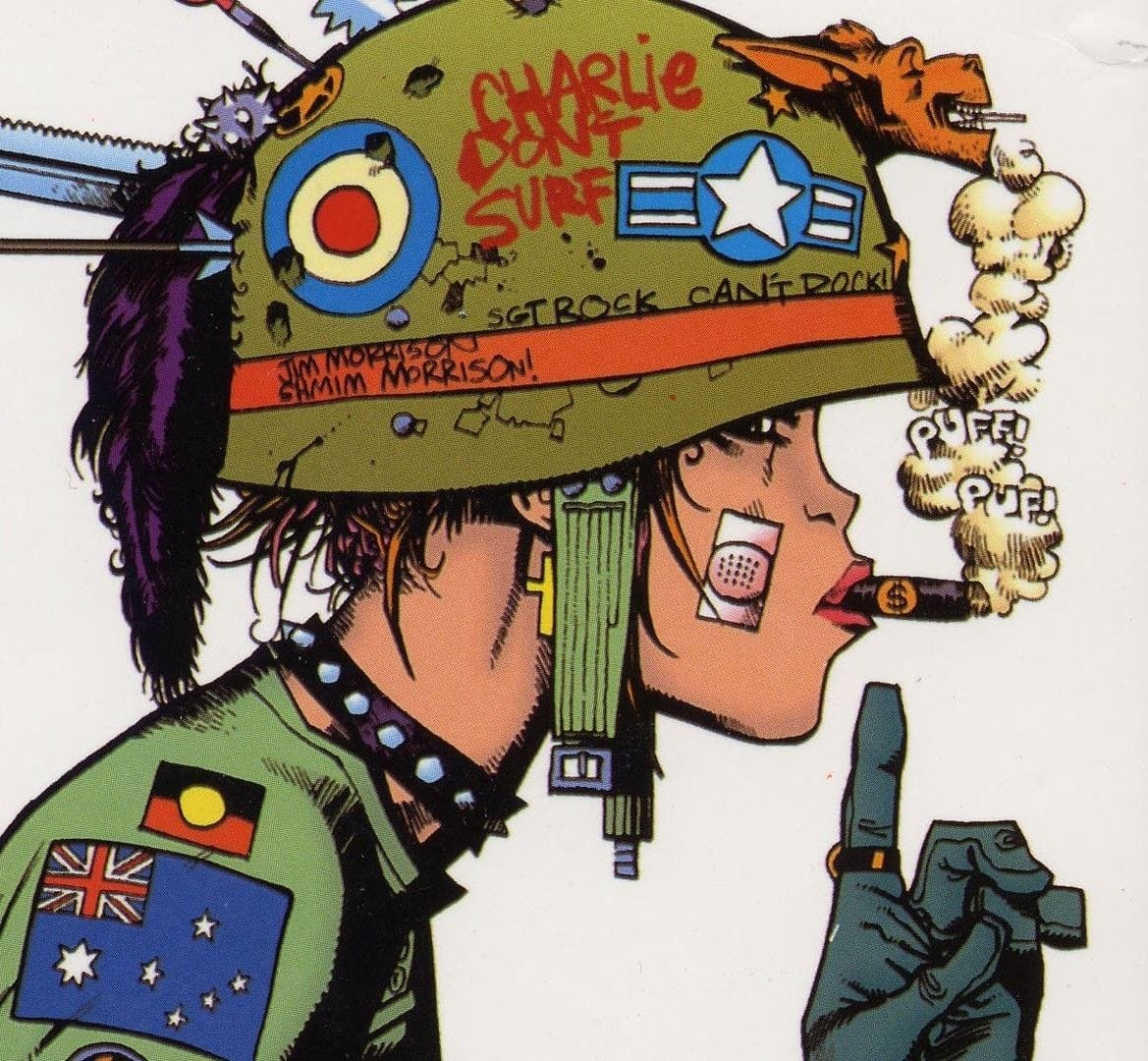
We were told that gatekeeping was bad. Many times, it is. But gatekeeping provides important protection for subcultures. It is not the gatekeeping that is bad, but the reason behind it that can be bad.
Subcultures exist within a dominant culture with their own set of rules, mores, and cultural norms. This includes dress, language, and behavior and marks members of the culture as distinct from the dominant culture.
The dominant culture, at least in a capitalist monoculture, will seek out emergent subcultures, commodify them, and resell a version of them back to people within the monoculture. I hate to anthropomorphize the monoculture by writing ‘seek out.’ I do not mean to imply that it has any consciousness or anyone is directing it. This is simply a function of how monoculture works in a capitalist society.
The people within those subcultures are rightfully outraged when this process happens and defend themselves by gatekeeping. This can devolve in both purity tests for members of a given subculture and be a way in which dominant culture values (like misogyny and homophobia) can assert themselves in subcultures.
This is what gives rise to the classic ‘name five songs’ meme.
As subcultures are commodified by the monoculture, people who seek validation from the dominant culture will attempt to purchase entry into a subculture. They may purchase the resold, watered down version of the subculture and then be shocked when they are called ‘posers.’ They may get quite loud about how they do not like the disregard that the members of the subculture treat them with. They may shout down the perceived gatekeeping that is standing between them and what they want to experience and engage with.
However, gatekeeping is a crucial function that allows the subculture to continue to exist.
When I was young, I had this exact experience. I bought into a commodified version of subculture. I engaged with that subculture in the real world. I was called out. And I learned. I learned the real mores and values of that culture. How to dress, how to act, how to see beyond the commodified version of a culture and into its real lived experience.
That same process happened to the people who were old heads before I came around. And it should be the same process for the people who come after. It makes you grow up. It makes you come as a child, as a student, and learn from the elders.
Come with respect and be shown respect.
Or come with entitlement and be ridiculed.
It is a painful process. One that humbles you. And causes you to grow. No one is entitled to never be challenged. But we are entitled to grow.
In this way, subculture can continue to exist within the dominant culture. Both being sold as a commodity (which is inevitable) and still existing, mutating, and evolving into new and interesting expressions.
The impulse behind gatekeeping has to be interrogated. Misogyny, homophobia, transphobia, racism, nationalism and all the rest must be called out and rooted out. When gatekeeping just repeats the same poison as the monoculture it is not keeping a scene alive, it just adding to the commodification of it.